Florida’s theme parks are a holiday destination for families across the state. Late November through early January can also be when risks rise: heavier crowds, longer waits, special events, and more walking than most people do all month. Holiday décor and temporary installations can also change lighting and walking paths in ways guests do not expect.
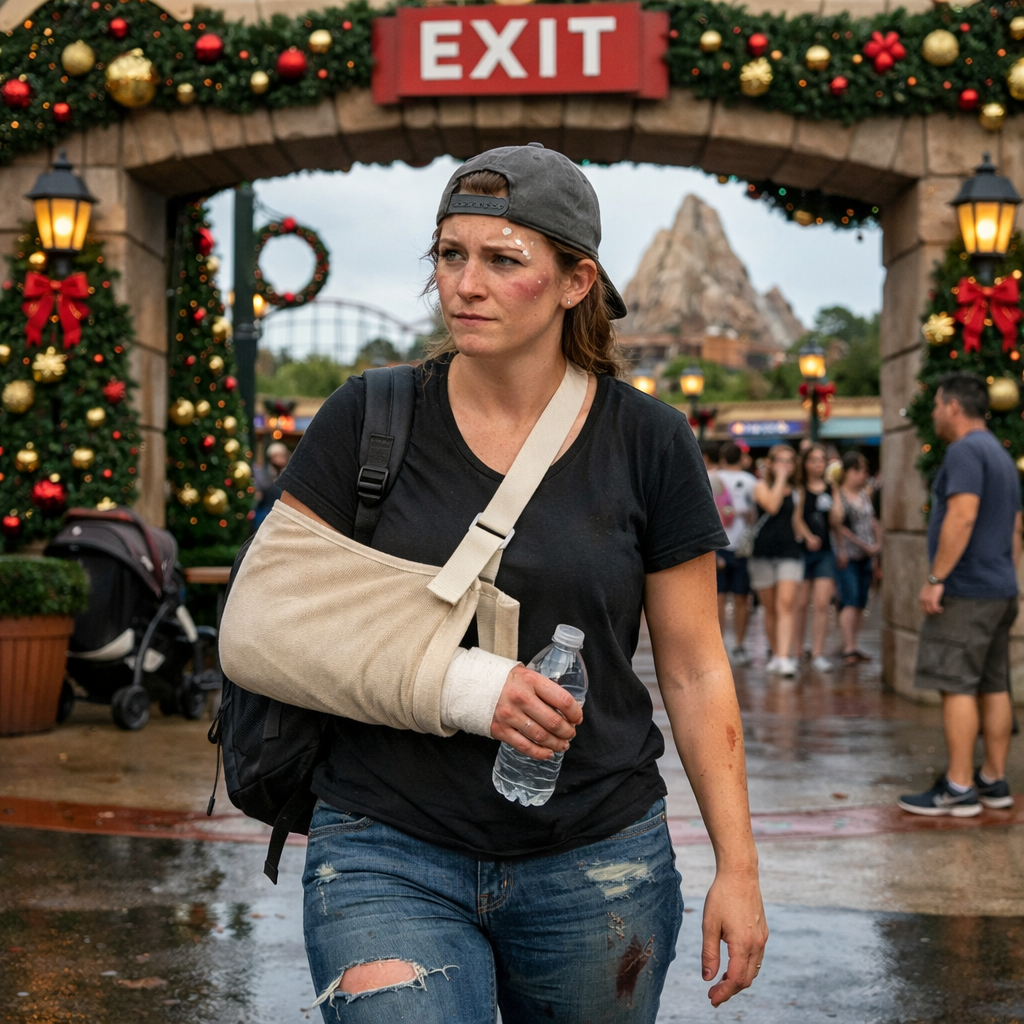
If you were hurt at a Florida theme park during the holiday season, you deserve answers, proper medical care, and a clear path forward.
Holiday weeks change how guests move through the park.
Theme park injuries are not always ride failures. Many incidents involve guest illness on rides or falls while entering or exiting attractions.
Common patterns include:
If you suspect a head injury or internal injury, get evaluated immediately. Some serious conditions can be delayed or masked by adrenaline.
A Florida theme park injury claim is usually built on negligence: whether the park or another party failed to use reasonable care.
Potentially responsible parties can include:
Florida also has a framework where certain large permanent facilities may operate under in-house inspection programs while still having reporting duties. That makes documentation like incident reports, surveillance footage, and maintenance records especially important after a serious injury.
Holiday crowds mean details get lost fast. If you can, collect:
Also, avoid signing releases or accepting quick payments until you understand what you are giving up.
Florida law generally requires negligence cases to be filed within two years. Florida also uses a modified comparative fault rule in many negligence cases. Parks and insurers may try to argue the injury happened because you were not paying attention or ignored warnings, so evidence matters.
Depending on the facts, a claim may seek compensation for emergency care, follow-up treatment, physical therapy, and future medical needs. It may also include lost wages, reduced earning ability, and the pain and disruption an injury causes to daily life. When a child is injured, families often face extra costs and missed work for caregiving. The details matter, and documenting expenses early can strengthen the claim.
Florida’s Department of Agriculture and Consumer Services publishes a quarterly MOU Exempt Facilities Report with incident summaries for certain exempt theme park facilities. Review it here: FDACS MOU Exempt Facilities Report (PDF).
You went to make memories, not end the day in pain. If unsafe conditions or avoidable operational issues contributed to your injury, you may have the right to pursue compensation. Do not navigate this alone.
Nation Law offers free case evaluations and no upfront fees for injury cases we accept. Call now or contact us here:
https://www.nationlaw.com/contact-us/
You trusted us. We’re honored to fight for you.


.svg)
Attorney Advertising. Please note that you are not considered a client until you have signed a retainer agreement and your case has been accepted by us. Prior results do not guarantee or predict a similar outcome with respect to any future matter. The information contained on this Web site is not medical advice and is not intended to be medical advice. Nor is it a substitute for seeking appropriate medical, or other professional advice. Your privacy choices.



